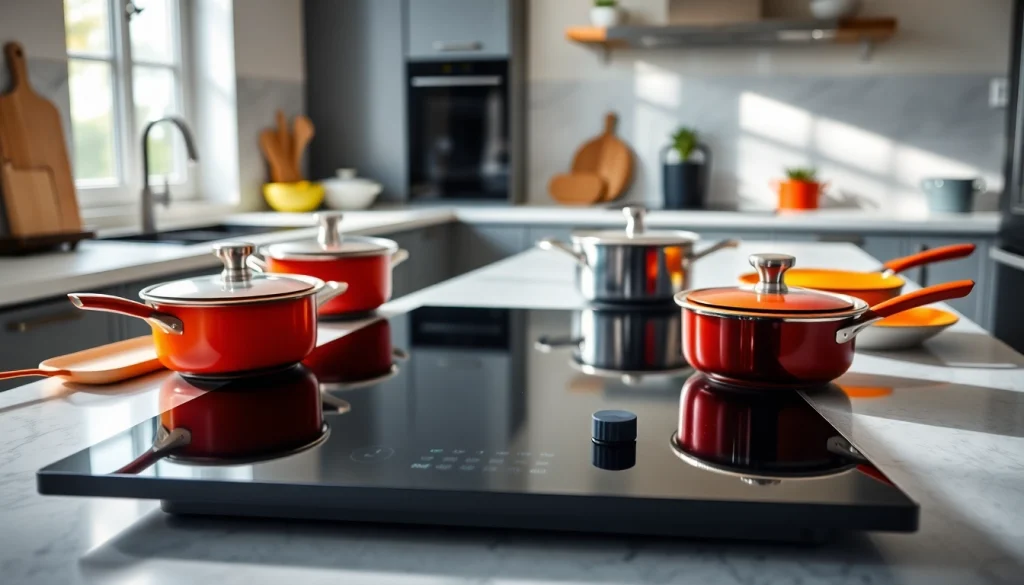
Choosing the right cooking appliance for your kitchen can be daunting, especially with the variety of options available today. If you’re looking to optimize your cooking experience, the best induction hob could be the perfect solution. This article delves into the world of induction cooking, exploring its unique features, benefits over traditional methods, and essential factors to consider when selecting the ideal induction hob for your needs.
Understanding Induction Technology
How Induction Hobs Work
Induction hobs represent a revolutionary technology in cooking that utilizes electromagnetic fields to directly heat cookware. Unlike traditional methods that heat a cooking surface, induction hobs heat pots and pans directly, which leads to greater energy efficiency and faster cooking times.
The technology works thanks to copper coils located beneath the ceramic glass surface. When you place induction-compatible cookware on the hob, it creates an electromagnetic field that induces heat directly within the cookware itself. This results in near-instant heat that provides precise temperature control, significantly reducing cooking times and energy consumption.
Key Benefits of Induction Cooking
There are numerous advantages to using induction cooking, making it a popular choice for home cooks and professional chefs alike:
- Efficiency: Induction cooking is faster than gas or electric cooking, with heating times reduced significantly.
- Energy Savings: According to studies, induction cooking can be up to 70% more energy-efficient than traditional methods because it directly heats only the cookware.
- Safety: The hob surface remains relatively cool since only the cookware gets hot, reducing the risk of burns.
- Precise Control: Induction hobs allow for rapid adjustments in temperature, improving cooking precision.
- Easy to Clean: The smooth, flat surface of an induction hob is easier to clean than traditional stove tops because spills don’t burn onto the stove.
Comparison with Traditional Cooking Methods
When comparing induction hobs to traditional cooking methods such as gas and electric coils, several key differences emerge. Gas hobs provide visual feedback through flames, while electric hobs take longer to heat up. Induction hobs bridge these gaps by offering both speed and precision. They also reduce cooking fumes and waste energy as they heat only what is necessary, making them ideal for modern, eco-conscious kitchens.
Factors to Consider When Choosing the Best Induction Hob
Size and Configuration Options
When choosing an induction hob, size and configuration are paramount. Induction hobs come in various sizes, typically ranging from compact 30 cm models to larger 90 cm variants suitable for bigger households. Consider the space available in your kitchen and your cooking habits:
- Space Availability: Measure your countertop space to ensure a good fit.
- Cooking Style: If you often cook multiple dishes simultaneously, opt for a model with multiple cooking zones.
Control Types and Features
Induction hobs come equipped with different types of controls and features:
- Touch Controls: Smooth surface touch controls offer a modern look and ease of use.
- Knob Controls: Some users prefer traditional knobs for tactile feedback.
- Smart Features: Look for models with built-in timers, temperature feedback, and even connectivity features that allow you to control the hob from your smartphone.
Energy Efficiency Ratings
Energy efficiency is another important consideration when selecting an induction hob. Look for models with high energy efficiency ratings, which indicate lower energy consumption. Many manufacturers provide energy efficiency labels, helping you choose an environmentally friendly option.
Top Brands and Models of Induction Hobs
Leading Brands on the Market
Several reputable brands dominate the induction hob market, each known for reliability, innovation, and customer satisfaction:
- GE Appliances: Known for their feature-rich options that blend style with functionality.
- Bosch: Offers premium induction hobs with advanced technology and a sleek design.
- Kitchenaid: Renowned for durable and versatile kitchen appliances, including induction models.
- Samsung: Combines smart technology with stylish designs for modern kitchens.
- Whirlpool: Focused on user-friendliness and energy efficiency.
Best Induction Hob Models Reviewed
Below are some of the best-reviewed induction hobs across various user requirements:
- GE Profile PHP9036: A 36-inch cooktop that offers powerful performance with multiple cooking zones, ideal for family cooks.
- Bosch 800 Series NIT8661UC: This model features a sleek design, exceptional performance, and intuitive controls.
- Kitchenaid 30” Induction Cooktop: Known for its reliability and even heating, it’s perfect for everyday cooking.
- Samsung NZ36K7880UG: A 36-inch smart induction cooktop equipped with advanced technology and features.
Price Comparison of Top Induction Hobs
Prices for induction hobs can vary significantly based on features, brand, and size:
- Basic Models: Typically range from $300 to $600. Suitable for light cooking tasks.
- Mid-range Models: Usually priced between $600 and $1200, offering more advanced features.
- Premium Options: High-quality models start from $1200 and can go up to $3000, perfect for culinary enthusiasts.
Maintaining Your Induction Hob for Longevity
Cleaning Tips and Best Practices
Maintaining your induction hob is crucial for its longevity and performance. Regular cleaning should be part of your routine. Here are some cleaning tips:
- Use Soft Cloth: Always use a soft damp cloth or sponge to avoid scratching the surface.
- Avoid Harsh Chemicals: Stick to mild cleaners specifically designed for induction cooktops.
- Immediate Wipe Down: Clean any spills immediately to prevent sticking and staining.
Regular Maintenance Routines
Besides cleaning, regular maintenance will help sustain your induction hob’s efficiency. Consider the following:
- Inspect Connections: Regularly check electrical connections for any signs of wear.
- Professional Servicing: Schedule professional servicing once every few years to ensure optimal performance.
Common Issues and Troubleshooting
Some common issues users may face with induction hobs include:
- Cookware Not Detected: Make sure the cookware is induction-compatible and correctly placed on the cooking zone.
- Error Messages: Refer to your user manual for specific troubleshooting steps based on the error code presented.
Frequently Asked Questions about Induction Hobs
Are Induction Hobs Safe for Cooking?
Yes, induction hobs are considered very safe. The surface only heats when an induction-compatible pot or pan is placed on it, decreasing burn risks and promoting a cooler cooktop.
What Cookware Works with Induction Hobs?
Induction-compatible cookware contains ferrous metal, such as cast iron or magnetic stainless steel. To check compatibility, try using a magnet: if it sticks to the base, it should work with induction hobs.
How Long Do Induction Hobs Last?
With proper care and maintenance, induction hobs can last for over ten years. Regularly cleaning and servicing them promotes their longevity and ensures excellent performance.