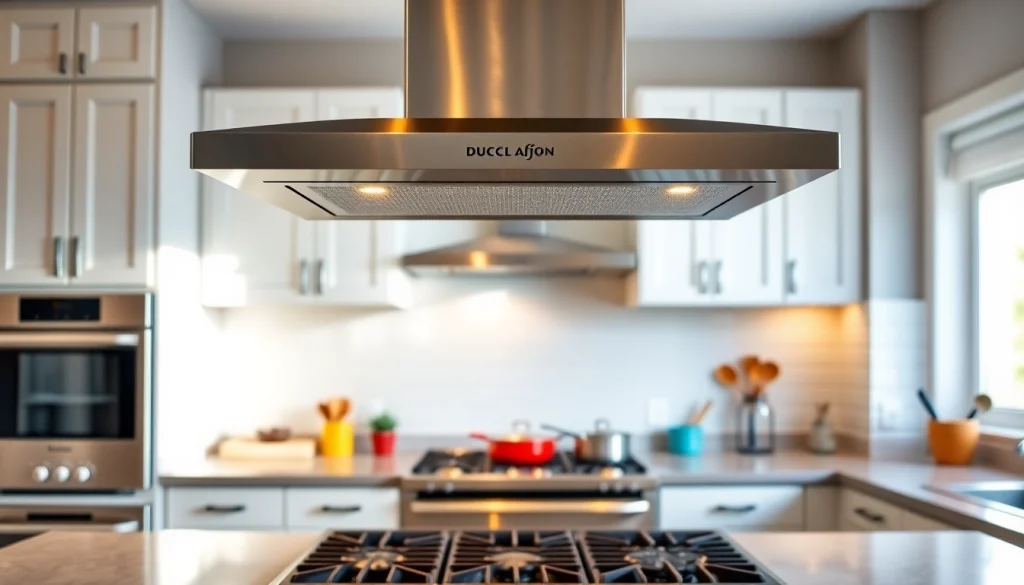
Understanding Ductless Range Hoods
What is a Ductless Range Hood?
A ductless range hood, also known as a recirculating range hood, is a kitchen appliance designed to cleanse the air around your cooking space by removing smoke, odors, and grease without requiring a ducting system to vent smoke and odors outside. Instead, these hoods use a combination of filters to trap impurities and recirculate the clean air back into your kitchen. For many homeowners, particularly those in apartments or spaces where ducting is impractical, the best ductless range hood offers an elegant solution that integrates efficiency with convenience.
How Do Ductless Range Hoods Work?
Ductless range hoods function by pulling in the air that contains smoke and odors through a fan system before passing it through a series of filters. Most commonly, there are two types of filters used in these systems: grease filters and charcoal filters. Grease filters capture airborne grease and particulates, while charcoal filters eliminate odors by adsorbing them. The filtered air is then released back into the kitchen, ensuring a cleaner environment while you cook.
Benefits of Choosing a Ductless Range Hood
Choosing a ductless range hood comes with several advantages:
- Ease of Installation: Since they don’t require ductwork, ductless range hoods can be installed in a variety of kitchen configurations without extensive renovations.
- Cost-Effective: Ductless hoods are typically less expensive to purchase and install compared to ducted models that require additional materials and labor.
- Space-Saving: Perfect for smaller kitchens, ductless hoods take up less physical space because they do not need ducts running through walls or ceilings.
- Flexibility: They can be used in virtually any kitchen layout – whether under cabinets, as wall-mounted units, or even as island hoods.
Key Features to Look for in the Best Ductless Range Hood
Airflow Performance Metrics (CFM)
When evaluating ductless range hoods, one of the most critical features is airflow performance, measured in cubic feet per minute (CFM). The CFM rating determines how efficiently the unit can move air. Generally, a higher CFM indicates superior performance, making it essential to choose a hood that matches the cooking habits of your household.
For instance, if you frequently cook with strong spices or do high-heat cooking, seek a hood with a CFM of 300 or more. Conversely, for light cooking in smaller spaces, a CFM rating of 200-250 might suffice.
Filtration Systems: Charcoal vs. Baffle Filters
The effectiveness of a ductless range hood largely depends on its filtration system. Here’s a deeper look at the two primary types of filters:
- Charcoal Filters: Best known for their ability to eliminate odors, charcoal filters are crucial for maintaining air quality. However, they require frequent replacement – typically every 6-12 months, depending on usage.
- Baffle Filters: These filters are designed to trap grease and are often made from stainless steel. They are generally reusable and can be cleaned in a dishwasher, providing a more long-term solution compared to charcoal filters.
Size and Design Considerations
Choosing the right size and design is vital for any range hood installation. The hood should ideally be a minimum of as wide as the cooking surface, ensuring optimal performance. Furthermore, the design should complement your kitchen aesthetics, whether you prefer a modern look with sleek lines or a more traditional appeal. Moreover, integrated lighting can enhance functionality by illuminating the cooking area, which is an essential consideration when selecting your model.
Top Picks for the Best Ductless Range Hood in 2025
Best Overall: Ciarra 30-Inch Under Cabinet
The Ciarra 30-Inch Under Cabinet Ductless Range Hood stands out due to its balance between performance and affordability. Featuring a powerful motor with an airflow rate of 200 CFM, it efficiently removes smoke and odors, making it perfect for standard-sized kitchens. Its aluminum mesh filters are easy to clean, ensuring that maintenance is hassle-free. With a sleek design and integrated LED lighting, this hood combines functionality with style, creating an ideal addition to various kitchen decors.
Best Budget Option: X Brand 24-Inch Range Hood
If you are seeking a budget-friendly choice, the X Brand 24-Inch Range Hood offers excellent value without sacrificing performance. Designed for smaller kitchens or apartments, it boasts a modest 200 CFM airflow, sufficient for light cooking tasks. The unit comes equipped with a reusable grease filter, allowing for low-cost maintenance while effectively clearing the air during your culinary adventures.
Premium Choice: Brand Y Built-In Model
For those desiring a high-end option, the Brand Y Built-In Ductless Range Hood offers advanced features such as variable airflow settings and smart technology controls. With a sleek design that seamlessly integrates into cabinetry, it maximizes space without compromising style. The powerful motor supports high CFM ratings, while its premium charcoal filter ensures remarkable odor control. Ideal for avid cooks, this model provides luxury without the typical drawbacks of ducting.
Installation and Maintenance Tips
Installing Your Ductless Range Hood Effectively
Proper installation of your ductless range hood can significantly affect its performance. Here are essential steps for a successful installation:
- Select the Location: Ensure the installation is above your cooking surface, generally at least 24 inches above the cooktop for optimal effectiveness.
- Ensure Electrical Accessibility: Verify that there is a nearby electrical source to power the hood.
- Follow Manufacturer Instructions: Each model has distinct installation requirements, so adhere closely to the specific manual guidelines.
- Securely Fasten the Unit: Make sure the hood is securely attached to prevent vibrations during operation.
Regular Maintenance Practices for Longevity
To keep your ductless range hood functioning efficiently, regular maintenance is crucial. Here are some tips:
- Clean Filters: Depending on use, clean or replace charcoal filters every 6-12 months. Grease filters should be cleaned more frequently.
- Wipe Down the Hood: Regularly wipe down the exterior with mild soap and water to remove grease buildup.
- Check for Obstructions: Ensure the fan is running smoothly and that there is no debris blocking airflow.
Signs It’s Time to Replace Your Range Hood
Even well-maintained range hoods have a lifespan. Here are signs that it may be time for a replacement:
- The unit is excessively noisy during operation, indicating motor issues.
- Signs of rust or corrosion, which can compromise structural integrity.
- Persistent odors or smoke escape indicates degraded filtration performance.
Comparing Ductless and Ducted Range Hoods
Efficiency: Which One is Best for Your Kitchen?
When determining whether to select a ductless or ducted range hood, efficiency and performance should be top of mind. Ducted range hoods typically outperform ductless models in terms of air purification because they vent air directly outside, effectively removing heat and odors. In contrast, ductless models recycle air and may not be as effective for heavy cooking applications, but they offer flexibility in installation and are suitable for kitchens without existing ductwork.
Installation Differences and Cost Implications
From a cost perspective, ductless range hoods generally have lower installation costs, as they do not require ductwork or structural alterations. However, ducted systems may save you money over time by providing better air quality and requiring less filter maintenance. Evaluate your cooking habits and kitchen layout to determine the best cost-benefit alignment for your needs.
Environmental Considerations: When to Choose Ductless
Ductless range hoods can be more environmentally friendly in certain situations, particularly for urban dwellers in high-rise buildings where venting externally might not be feasible. Additionally, they can reduce energy costs by minimizing the introduction of outdoor air, which may require heating or cooling. Understanding the environmental implications of your choice can help promote a more sustainable home.